Introduction
Choosing the right galvanized steel pipe is an important decision for construction, infrastructure, agricultural, and industrial projects. Although galvanized pipes are widely recognized for their corrosion resistance and durability, different applications require different specifications, materials, and coating solutions.
Factors such as application environment, steel grade, pipe dimensions, galvanizing method, coating thickness, and manufacturing standards can directly affect the performance and service life of galvanized pipes.
For buyers searching for a reliable galvanized pipe supplier, understanding these key factors helps ensure that the selected products meet project requirements while achieving a balance between performance, durability, and cost.
What Is a Galvanized Steel Pipe?
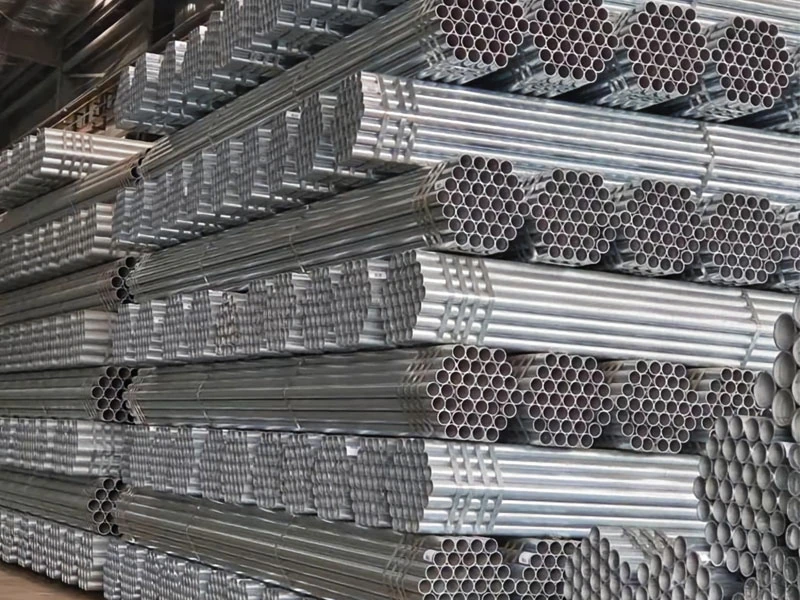
A galvanized steel pipe is a steel pipe coated with a protective zinc layer to improve corrosion resistance. The zinc coating forms a barrier between the steel substrate and environmental factors such as moisture and corrosive substances.
Unlike ordinary carbon steel pipes, galvanized pipes provide additional protection through zinc coating technology. When the coating is damaged, zinc provides sacrificial protection by corroding before the steel underneath, helping reduce the risk of rust formation.
According to the American Galvanizers Association, hot-dip galvanizing provides long-term corrosion protection through a metallurgically bonded zinc coating. The service performance depends on factors such as coating thickness and environmental conditions.
What Are the Main Types of Galvanized Steel Pipes?
Before selecting a galvanized steel pipe, buyers should understand the differences between the two common types: pre-galvanized steel pipes and hot-dip galvanized steel pipes.
Pre-Galvanized Steel Pipes
Pre-galvanized steel pipes are manufactured using galvanized steel strips that are formed and welded into pipes.
Main characteristics include:
- Smooth and uniform surface appearance;
- Suitable for general corrosion protection requirements;
- Cost-effective for many lightweight applications.
Typical applications include:
- Greenhouse structures;
- Fencing systems;
- Electrical conduits;
- Light construction projects.
Hot-Dip Galvanized Steel Pipes
Hot-dip galvanized steel pipes are galvanized after the pipe forming process. The finished steel pipe is immersed in molten zinc, creating a protective zinc coating on the entire surface.
Compared with pre-galvanizing, hot-dip galvanizing offers advantages such as thicker coating thickness, stronger adhesion, complete coverage, higher corrosion resistance, and longer service life. These advantages make hot-dip galvanized pipes particularly suitable for large structural components used outdoors or in harsh environments.
Common applications include:
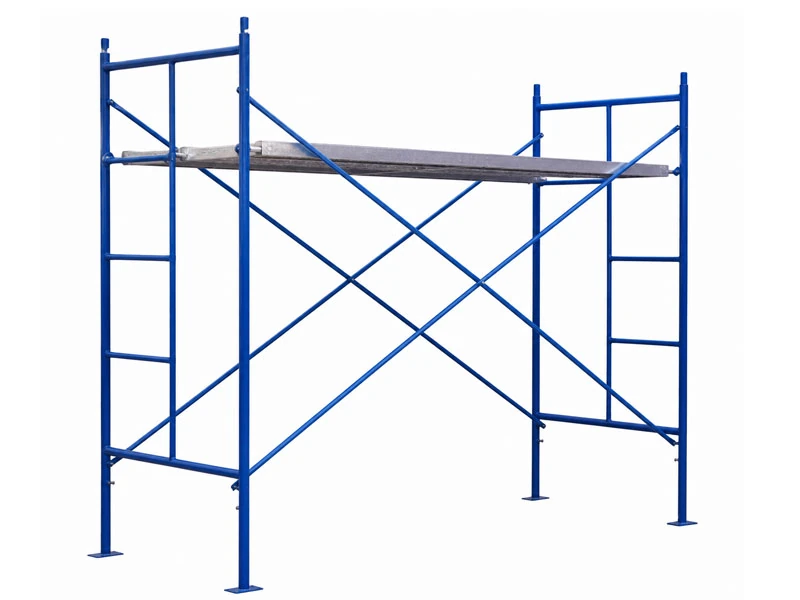
- Scaffolding systems;
- Outdoor structures;
- Water transportation systems;
- Industrial support structures.
Common Applications of Galvanized Steel Pipes
Construction and Scaffolding
Galvanized pipes are widely used in construction projects due to their strength and corrosion-resistant surface.
Common applications include:
- Scaffolding systems;
- Temporary structures;
- Building support components.
Greenhouse and Agricultural Structures
In agricultural projects, galvanized pipes are commonly used for:
- Greenhouse frames;
- Supporting structures;
- Outdoor agricultural facilities.
Their corrosion-resistant properties make them suitable for environments exposed to moisture and changing weather conditions.
Water and Industrial Applications
Galvanized pipes can also be used in various industrial applications depending on project requirements, including:
- Low-pressure fluid transportation;
- Equipment support structures;
- Maintenance facilities.
How to Choose a Reliable Galvanized Pipe Supplier?
Selecting an experienced galvanized pipe supplier is as important as choosing the correct pipe specifications.
A reliable supplier should provide:
Manufacturing Capability
A reliable galvanized pipe supplier should have sufficient production experience and the ability to manufacture pipes according to specific requirements, including different dimensions, material grades, and customer specifications.
Strong manufacturing capabilities help ensure stable product quality, consistent performance, and timely delivery for various applications.
Quality Documentation
Quality documentation is an essential factor when evaluating a galvanized pipe supplier. Professional manufacturers should be able to provide complete documents, including Material Test Certificates (MTCs), inspection reports, and product specifications.
These records allow customers to verify material quality, production standards, and product compliance before application.
Customization Support
Different projects may require customized specifications, including:
- Pipe diameter;
- Wall thickness;
- Length;
- Zinc coating requirements.
Working with a professional supplier helps ensure consistent quality and smoother project execution.
Why Choose Friend Steel Pipe as Your Galvanized Steel Pipe Supplier?
Selecting the right galvanized pipe supplier is not only about product specifications but also about manufacturing capability, quality control, and the ability to provide solutions that match different project requirements.
With extensive experience in steel pipe production and international supply, Friend Steel Pipe provides galvanized steel pipe solutions for construction, agricultural, industrial, and infrastructure applications.
Customized Galvanized Pipe Solutions
| Item | Specification |
| Outer Diameter | 21.3mm–219.1mm (Customized sizes available) |
| Wall Thickness | 1.2mm–12mm |
| Length | 5.8m / 6m / Customized length |
| Material Grade | Q195 / Q235 / Q345 |
| End Treatment | Plain end (burr-free) / Beveled / Threaded with coupling / Grooved / Beveled (weld preparation) |
Quality & Performance
| Item | Specification |
| Zinc Coating Thickness | 40–600 g/m² (approximately 5–85 μm) |
| Tensile Strength | Up to 415 MPa, depending on steel grade and applicable standards |
| Working Temperature | -40℃ to 120℃ |
| Service Life | 5–30 years (depending on application conditions) |
Production According to International Standards
For international projects, compliance with industry standards is an important consideration.
Friend Steel Pipe supplies galvanized steel pipes according to commonly requested specifications, including:
- BS 1387 galvanized pipe
- ASTM A53 steel pipe
These standards define requirements related to pipe dimensions, material properties, and quality expectations, allowing customers to select products suitable for different markets and applications.
Quality Control and Product Documentation
Reliable quality documentation helps customers evaluate whether products meet project requirements.
Friend Steel Pipe provides supporting documents such as:
- Material Test Certificates (MTCs);
- Inspection reports;
- Product specifications.
These documents help customers confirm material information, production details, and product quality before delivery.
Real Application Case: Galvanized Pipes for a Middle East Greenhouse Project
Project Background
A greenhouse cultivation project in the Middle East required a more durable galvanized pipe solution due to its challenging coastal environment. The project site was exposed to high temperatures, high humidity, and salt-laden air, which significantly accelerated corrosion.
The previously used galvanized pipes with insufficient zinc coating suffered from corrosion-related perforation within three years. This resulted in compromised greenhouse arch structural integrity, frequent irrigation system leaks, and increased annual maintenance costs.
Galvanized Pipe Solution
To address the corrosion challenges, we have chosen to adopt the TFCO high-zinc-layer galvanizing solution.
Pre-galvanized pipes were used for greenhouse arches and enclosure structures, while hot-dip galvanized pipes were selected for main support columns and irrigation pipelines that required higher corrosion resistance.
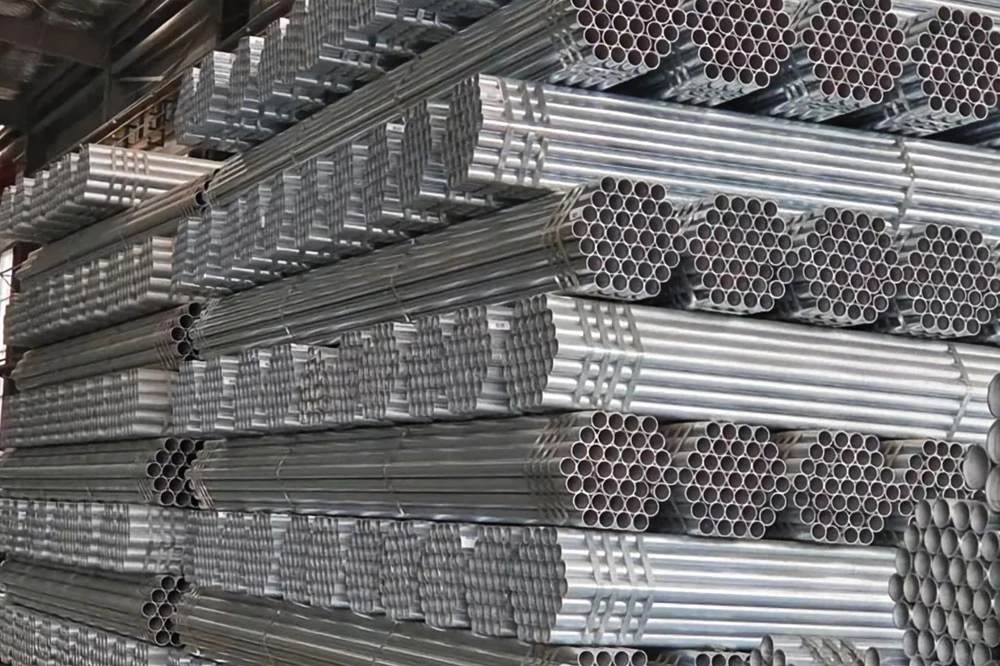
In addition, 48.3mm hot-dip galvanized scaffolding pipes were supplied for the construction of maintenance platforms. Material Test Certificates (MTCs) were provided for all supplied materials to ensure product quality and traceability.
Project Results
With the upgraded galvanized pipe solution, the expected service life of the greenhouse framework was extended from approximately 5 years to more than 20 years.
The frequency of maintenance and replacement was reduced by around 70%, while the total cost of ownership, including procurement, maintenance, and replacement expenses, decreased by approximately 35% compared with the original plan.
The project was completed and passed the customer’s acceptance inspection on schedule.
FAQ
Q1: What is the difference between pre-galvanized steel pipes and hot-dip galvanized steel pipes?
Pre-galvanized steel pipes are galvanized before the pipe forming process and are suitable for general applications. Hot-dip galvanized pipes are galvanized after forming, providing a thicker zinc coating and better corrosion resistance for demanding environments.
Q2: How does zinc coating thickness affect galvanized pipe quality?
A thicker zinc coating generally provides better corrosion protection and a longer service life, especially for outdoor applications and harsh environments.
Q3: Are galvanized steel pipes suitable for scaffolding?
Yes. Galvanized steel pipes are widely used in scaffolding systems due to their strength, durability, and corrosion resistance.
Q4: Can galvanized steel pipes be customized?
Yes. Professional suppliers can usually customize pipe diameter, wall thickness, length, zinc coating requirements, and packaging according to customer requirements.
Q5: How long can galvanized steel pipes be used?
The service life depends on factors such as zinc coating thickness, environmental conditions, and usage requirements. Properly galvanized pipes can provide long-term corrosion protection.
Q6: Can you provide threaded ends with couplings?
Yes. We provide precision threading with high-quality couplings and protective caps.
Conclusion
Choosing the right galvanized steel pipe requires careful evaluation of application conditions, material grade, pipe dimensions, galvanizing method, coating thickness, and international standards.
Whether selecting pre-galvanized steel pipes for lightweight applications or hot-dip galvanized pipes for demanding outdoor projects, buyers should always match product specifications with actual project requirements.
In addition to product performance, selecting a reliable galvanized pipe supplier is also a key factor in ensuring project success. An experienced supplier can provide stable manufacturing capabilities, strict quality control, complete documentation, and customized solutions based on different application needs.
From construction and scaffolding systems to agricultural structures, water transportation, and industrial facilities, high-quality galvanized pipes help improve corrosion resistance, reduce maintenance frequency, and extend service life.
By working with a professional galvanized pipe supplier, customers can achieve a better balance between initial investment and long-term operating costs while ensuring that their steel pipe solutions meet performance expectations and international quality requirements.